L2: escola
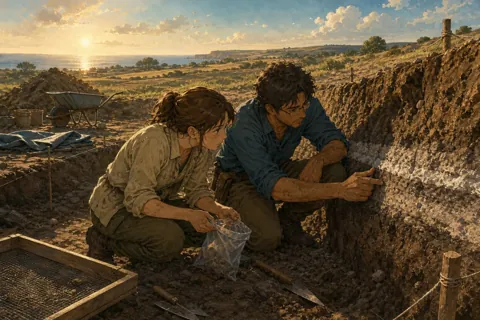
Relógios na rocha
BIOUma exponencial, lida de três maneiras. No sentido direto, diz-nos quanto resta; no sentido inverso, revela a idade de algo; e, aplicada ao ADN em vez de aos núcleos, precisa de uma rocha para ser calibrada.
Lições Interativas de Matemática e Ciências
A biologia parece uma disciplina feita de exceções até se começar a contar. Dose, hereditariedade, população e velocidade de reação seguem regras suficientemente apertadas para se preverem, e prevê-las é o que estas ferramentas fazem.
Sequências curtas em vez de ferramentas soltas. Cada passo entrega ao seguinte algo específico, pelo que vale a pena seguir a ordem.
L2: escola
BIOUma exponencial, lida de três maneiras. No sentido direto, diz-nos quanto resta; no sentido inverso, revela a idade de algo; e, aplicada ao ADN em vez de aos núcleos, precisa de uma rocha para ser calibrada.
L2: escola
STATNinguém contesta a aritmética do teorema de Bayes. Contestam o a priori: de onde veio o primeiro número e quem o escolheu. Estas três ferramentas abordam a questão por ordem de dificuldade: um a priori que se pode consultar, um a priori que o mecanismo nos entrega, e um a priori que ninguém tem.
L2: escola
GEONuma superfície curva as regras demonstradas no papel deixam de se aplicar, e a exata medida em que cada uma falha quantifica a curvatura a partir do interior. Uma rota retilínea altera o seu rumo na bússola, uma seta transportada sem rodar regressa rodada, um círculo fica com o comprimento errado e, no plano hiperbólico, nenhum triângulo consegue conter mais do que π.
L2: escola
CHEMO calor liberado por uma reação não determina se ela avança; o gelo derrete absorvendo calor. Estas quatro páginas constroem a contabilidade que efetivamente toma essa decisão: a entalpia, que se soma como as equações; a energia livre padrão, que é uma constante de equilíbrio em outras unidades; a diferença entre deslocar o K e deslocar o Q; e uma pilha que lê essa diferença como uma voltagem.
L2: escola
CHEMUm gás numa mistura atua segundo a sua própria pressão parcial, a qual define o limite de profundidade de um mergulhador. Um líquido ferve quando a sua pressão de vapor atinge a pressão acima de si. Dois líquidos que se misturam de forma imperfeita limitam um alambique a cerca de 95,6% de etanol em massa, as partículas dissolvidas fazem um kelvin de descida no ponto de congelação valer treze bar de pressão osmótica, e um sal só se dissolve até os seus iões alcançarem um produto fixo.
L2: escola
BIOCada população aqui é travada por algo, e esse algo torna-se menos complacente a cada passo: primeiro o próprio adensamento que provoca, depois uma captura fixa subtraída ao total, a seguir um predador que é, por si só, uma população, e por fim ficar sem pessoas para infetar.
L3: universidade
PHYTrês equações construídas sobre um único operador, o Laplaciano, que diferem apenas no papel do tempo. O calor esquece, apagando primeiro o detalhe mais nítido. Uma onda transporta uma perturbação e, numa superfície, nunca termina totalmente de chegar. A equação de Laplace não contém tempo algum. É o destino a que o calor chega ao esquecer: cada ponto é a média dos seus vizinhos.
L3: universidade
GEOUma previsão é um modelo avançado no tempo a partir de um estado inicial que ninguém conhece com exatidão. Por isso, os meteorologistas executam o modelo várias vezes e deixam que a divergência indique o nível de confiança a depositar. A segunda página abre o modelo e encontra uma falha que nada tem a ver com o caos. A terceira regressa às equações de Lorenz de 1963, onde a posição exata rapidamente se perde, mas a forma traçada nunca desaparece.
L4: especialidade
BIOCinco ferramentas constroem um único argumento: o DNA é um autêntico meio de armazenamento e um verdadeiro computador, e ambos esbarram em limites que se podem calcular em vez de adivinhar. Cada etapa fornece à seguinte um número específico.
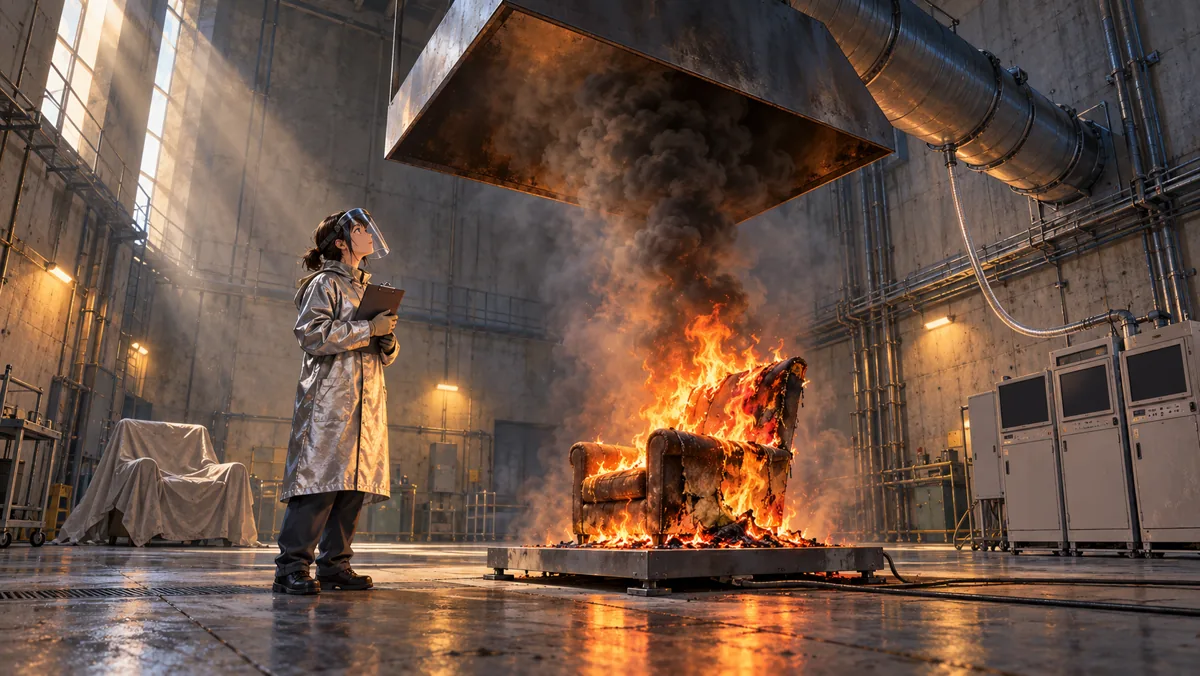 A fire is measured by the oxygen it takes
Per kilogram of fuel, the things we burn differ more than threefold. Per kilogram of oxygen, most of them land within 5% of one number, because the heat is set by what the oxygen becomes, and in a clean flame it becomes one of two things.
A fire is measured by the oxygen it takes
Per kilogram of fuel, the things we burn differ more than threefold. Per kilogram of oxygen, most of them land within 5% of one number, because the heat is set by what the oxygen becomes, and in a clean flame it becomes one of two things.
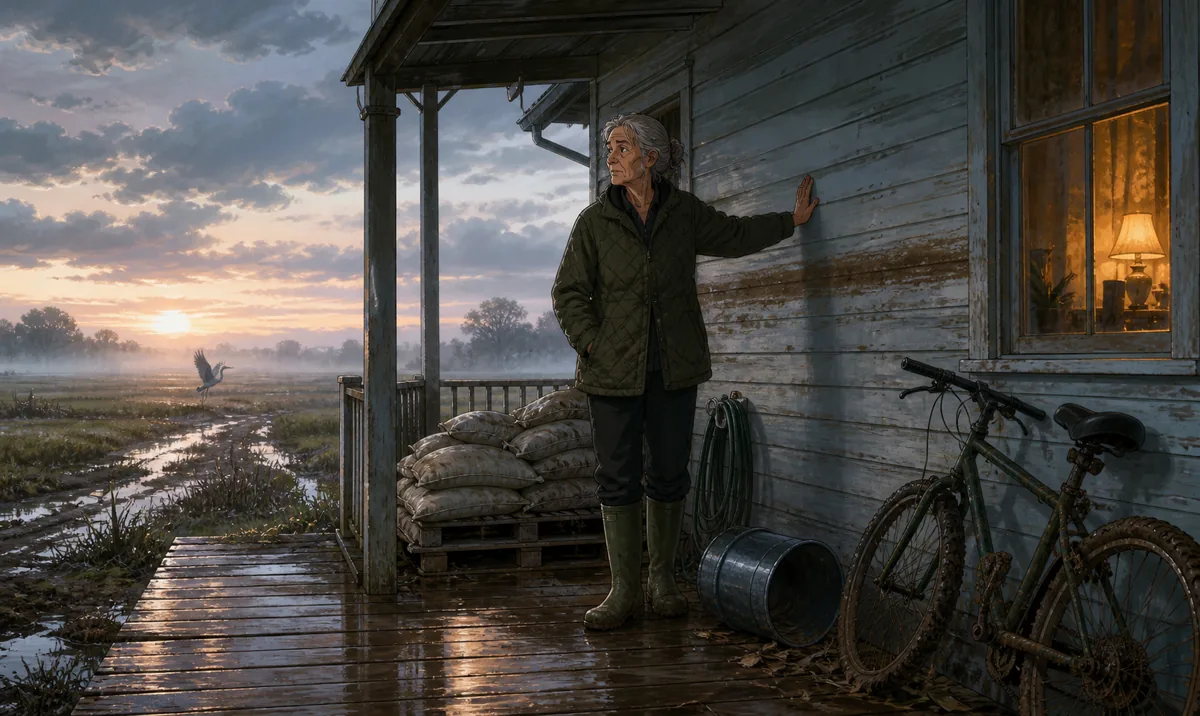 The 475-year earthquake is not geology
Two odd numbers are stamped on seismic design maps worldwide. Neither was measured. Both are a tolerated failure probability run through one line of algebra — and the same line explains why a 100-year flood is a coin-flip over a lifetime.
The 475-year earthquake is not geology
Two odd numbers are stamped on seismic design maps worldwide. Neither was measured. Both are a tolerated failure probability run through one line of algebra — and the same line explains why a 100-year flood is a coin-flip over a lifetime.
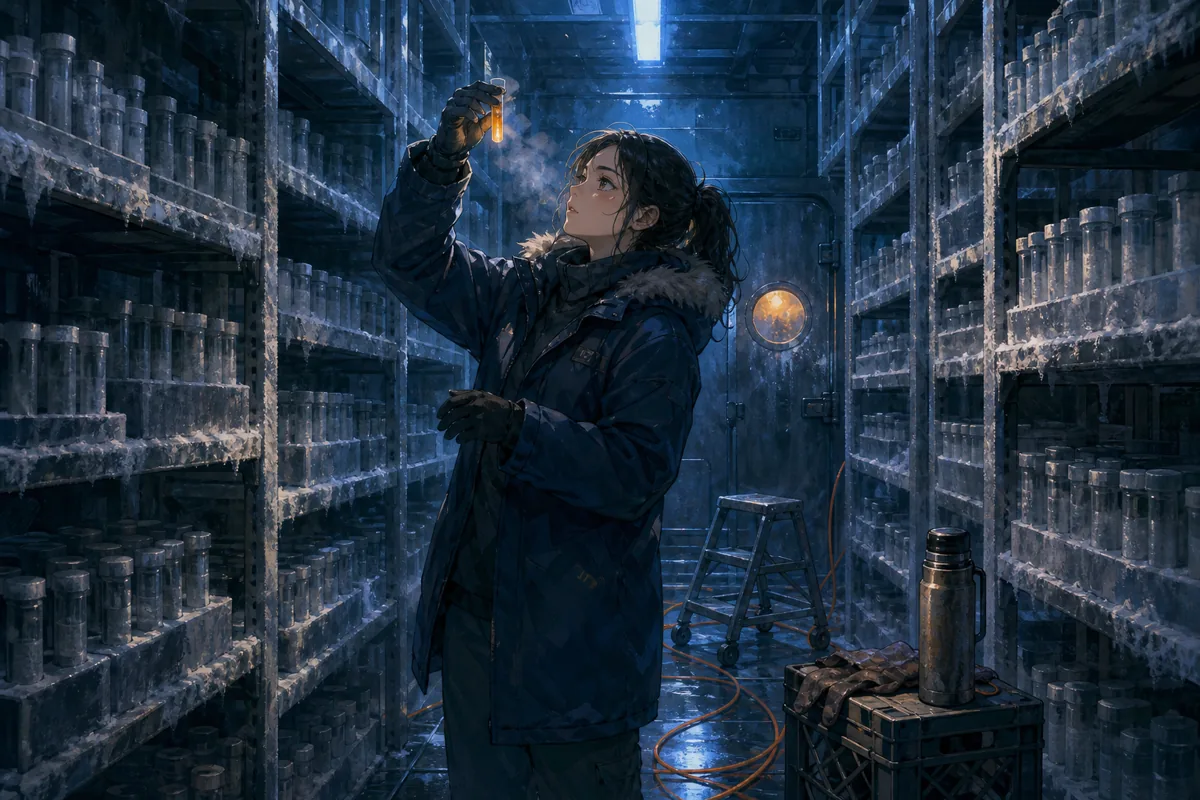 Thirty-nine cities need more DNA than the Earth
DNA computing promised to beat exponential search with molecular parallelism. The counting that kills it is the argument Levinthal used to prove that proteins cannot be searching for their shape — and what survives the argument is not speed at all.
Thirty-nine cities need more DNA than the Earth
DNA computing promised to beat exponential search with molecular parallelism. The counting that kills it is the argument Levinthal used to prove that proteins cannot be searching for their shape — and what survives the argument is not speed at all.
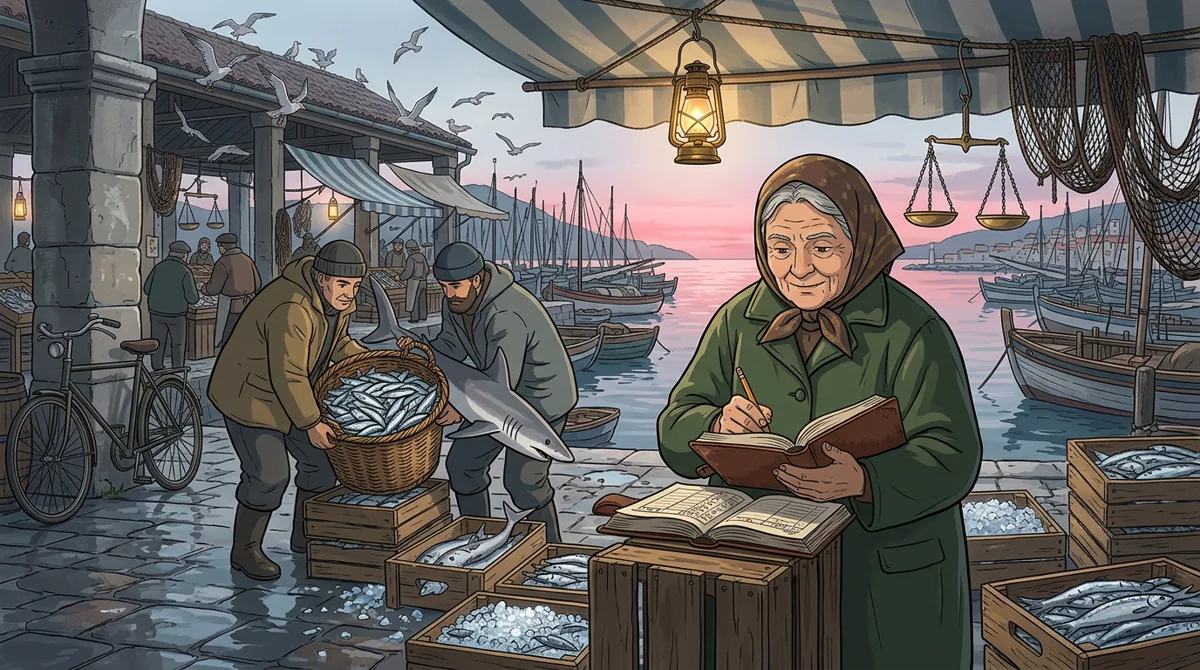 Kill both species at the same rate and you get more of the pest
The predator–prey model has an exact long-run average, and it sits in a strange place: raise the death rate of both species equally and the average prey population goes up. Volterra found it in fish-market ledgers in 1926.
Kill both species at the same rate and you get more of the pest
The predator–prey model has an exact long-run average, and it sits in a strange place: raise the death rate of both species equally and the average prey population goes up. Volterra found it in fish-market ledgers in 1926.
 Below one it dies out. Above one it runs away. There is nothing in between.
The same threshold governs epidemics, nuclear chain reactions, PCR and surnames: if each unit produces on average fewer than one successor, extinction is certain. The knife edge is exactly at 1, and the mathematics was first worked out on Victorian family names.
Below one it dies out. Above one it runs away. There is nothing in between.
The same threshold governs epidemics, nuclear chain reactions, PCR and surnames: if each unit produces on average fewer than one successor, extinction is certain. The knife edge is exactly at 1, and the mathematics was first worked out on Victorian family names.
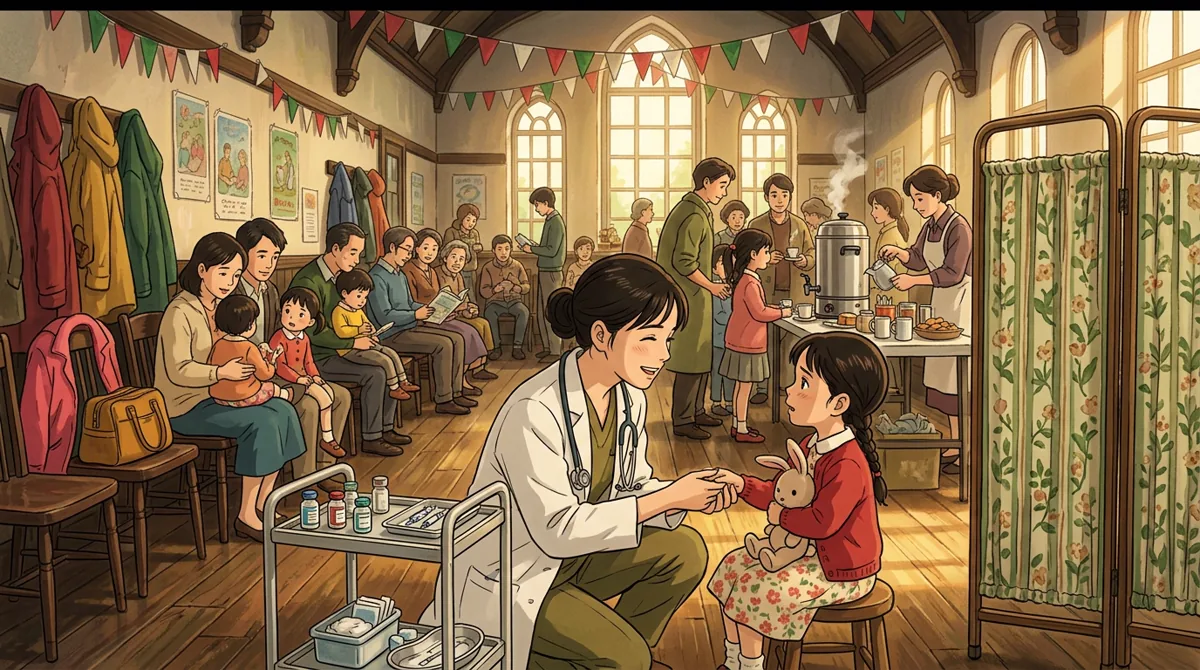 The herd immunity threshold is 66.7%, so why does the epidemic infect 94.1%?
The threshold is where an outbreak stops growing, which is nowhere near where it stops. It keeps infecting people well past that point, and the size of that overshoot is the argument for arriving at the threshold by vaccination rather than by illness.
The herd immunity threshold is 66.7%, so why does the epidemic infect 94.1%?
The threshold is where an outbreak stops growing, which is nowhere near where it stops. It keeps infecting people well past that point, and the size of that overshoot is the argument for arriving at the threshold by vaccination rather than by illness.
 Fifty generations of perfect selection halves a recessive gene, and that is the best case
Suppose a recessive condition were lethal in every case, in every generation, with no exceptions. After fifty generations the allele has gone from 2% to 1%. The arithmetic explaining why was published in 1908.
Fifty generations of perfect selection halves a recessive gene, and that is the best case
Suppose a recessive condition were lethal in every case, in every generation, with no exceptions. After fifty generations the allele has gone from 2% to 1%. The arithmetic explaining why was published in 1908.
 A radioactive atom does not know how old it is
An atom that has already survived a million years is exactly as likely to decay in the next second as one created moments ago. Exponential decay is the only continuous law with that property, and it is why half-life is a meaningful number at all.
A radioactive atom does not know how old it is
An atom that has already survived a million years is exactly as likely to decay in the next second as one created moments ago. Exponential decay is the only continuous law with that property, and it is why half-life is a meaningful number at all.
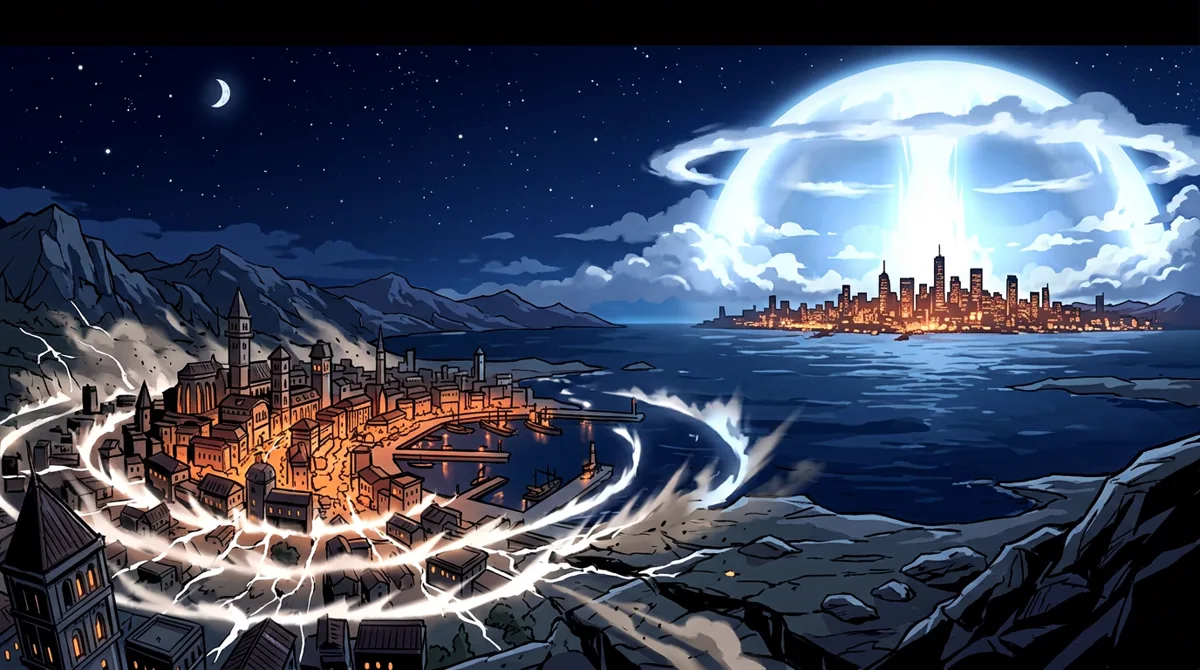 A magnitude 7 is not slightly worse than a magnitude 6
It releases about 32 times the energy. Logarithmic scales compress catastrophes into numbers that look adjacent, which is exactly the problem with reporting them.
A magnitude 7 is not slightly worse than a magnitude 6
It releases about 32 times the energy. Logarithmic scales compress catastrophes into numbers that look adjacent, which is exactly the problem with reporting them.